- front page
- Recommended Article
- Life
- Ten Books Recommended for Wealthy People: A List of Truly Worthwhile Books on Wealth Mindset
Ten Books Recommended for Wealthy People: A List of Truly Worthwhile Books on Wealth Mindset

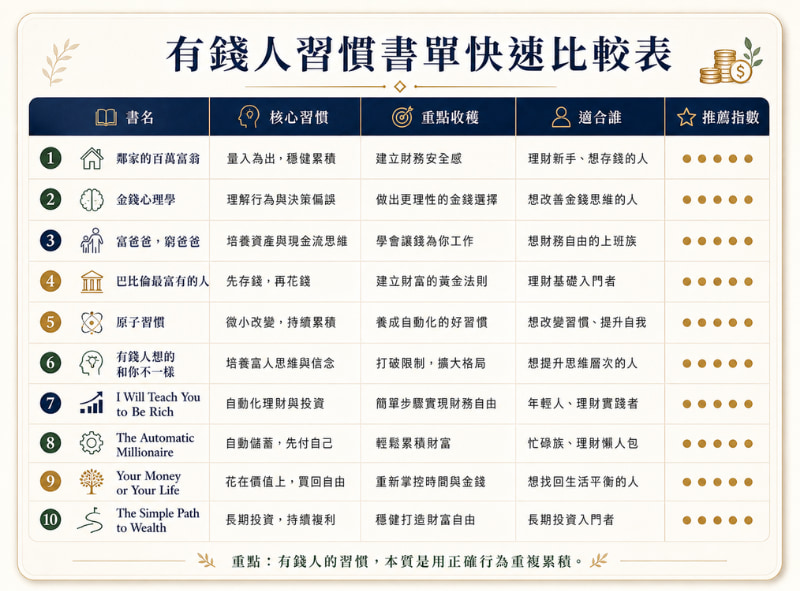
Quick Comparison Table of Book Lists Used by Wealthy People
| Book title | author | Who is it suitable for? | Reasons for recommendation |
|---|---|---|---|
The Millionaire Next Door | Thomas J. Stanley, William D. Danko | People who want to see the real behavior of the rich | This isn't just empty slogans; it's a convincing analysis of wealth habits derived from studies of millionaires. |
The Psychology of Money | Morgan Housel | Investing novices and people prone to anxiety | It presents money in a very human way, making people understand that wealth is not a mathematical problem, but a behavioral one. |
Rich Dad, Poor Dad | Robert T. Kiyosaki | People who are just starting to learn about financial management | While some viewpoints require your own judgment, it's excellent for developing a financial mindset. |
The Richest Man in Babylon | George S. Clason | People who want to develop a saving habit | Using stories to explain financial management is simple yet classic, making it especially suitable for beginners. |
Atomic Habits | James Clear | People who want to change their behavior but often fail | Although it's not a purely financial management book, it's well-suited for explaining "why wealthy people can maintain long-term self-discipline." |
Rich people think differently than you do. | T. Harv Eker | People who often feel they can't save money | This book focuses more on mindset, but it's very helpful for examining your own money management strategies. |
"I Will Teach You to Be Rich" | Ramit Sethi | People who want a practical financial management process | It's practical; it doesn't tell you not to spend any money, but rather teaches you how to configure your budget smartly. |
"The Automatic Millionaire" | David Bach | People who want to save money but often fail | The core message of this book is simple: don't expect yourself to be self-disciplined every time; let the system do the self-discipline for you. |
Your Money or Your Life | Vicki Robin, Joe Dominguez | People who want to reorganize their relationship with money | It's a great read for people who "earn a lot but are unhappy". |
"The Simple Path to Wealth" | JL Collins | People who want to develop a long-term investment mindset | The concept is simple, but the simpler it is, the better it is for long-term implementation. |
(The mobile version of the table can be swiped left and right)

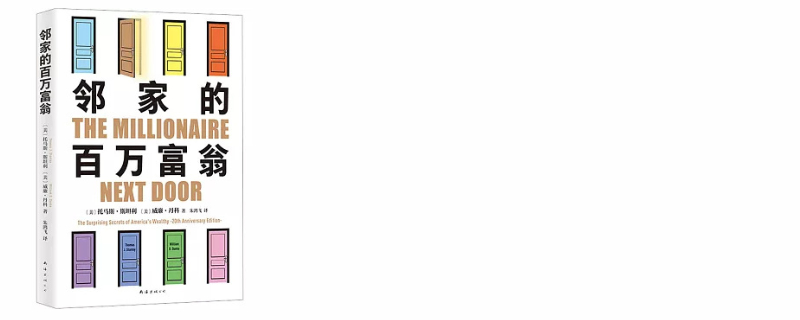
1. *The Millionaire Next Door*: The truly wealthy are not necessarily the ones who look wealthy.
Product Link: Go Now
If I could only recommend one book in this review, I would put *The Millionaire Next Door* first. The book's value lies in the fact that it doesn't tell you "what rich people should look like," but rather shows you that many people who truly accumulate wealth don't live ostentatiously. They may live in ordinary neighborhoods, drive ordinary cars, and spend cautiously, but in the long run, their assets are more stable than those with higher incomes. This book, compiled by Thomas J. Stanley and William D. Danko from their research on the behavior and lifestyles of American millionaires, is perfectly suited for writing about "the real habits of the wealthy."
The most worthwhile habits of wealthy people to learn:
Wealthy people don't necessarily pursue apparent success; they are more concerned with actual net worth.
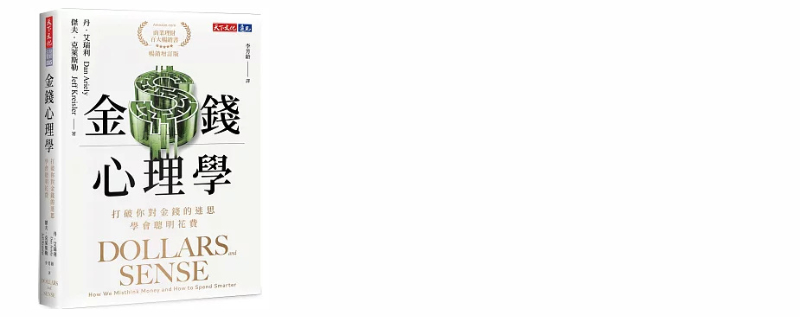
2. *The Psychology of Money*: Wealth is not solely determined by knowledge, but also by behavior.
Product Link: Go Now
Morgan Housel's *The Psychology of Money* is a great second book because it discusses wealth in a way that resonates with human nature. Many people think that financial management is about calculating rates of return, reading financial statements, and selecting investment targets, but this book reveals that what truly influences financial outcomes is often emotion, patience, desire, and risk tolerance. The book emphasizes that effective money management is not just about what you know, but how you act; this is why even intelligent people can make poor financial decisions.
The most worthwhile habits of wealthy people to learn:
Don't just pursue the highest returns; instead, develop a financial strategy that allows you to survive in the long run.
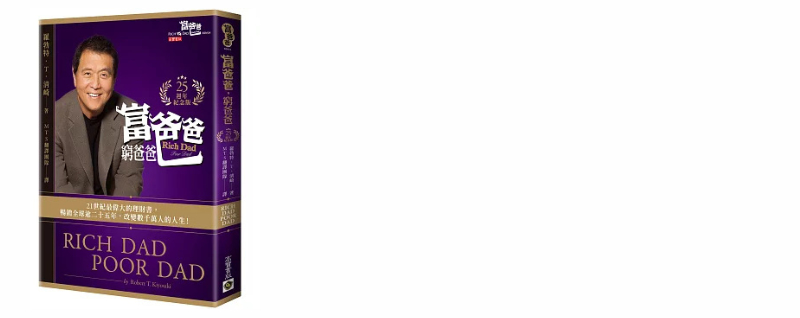
3. *Rich Dad, Poor Dad*: First, learn to distinguish between assets and liabilities.
Product Link: Go Now
"Rich Dad, Poor Dad" is a great book for beginners looking to learn about personal finance. Its most classic concept is reminding readers to distinguish between "assets" and "liabilities," and to look at cash flow rather than just income. Some of the book's viewpoints are quite strong, so readers should exercise their own judgment and not accept all the arguments blindly. However, it's undeniable that it serves as a financial literacy primer for many, especially the point about "not relying solely on salary and starting to think about how assets generate income," which is particularly relevant to articles written by wealthy individuals.
The most worthwhile habits of wealthy people to learn:
Wealthy people not only know how to make money, but also how to think about whether money can generate more money for them.
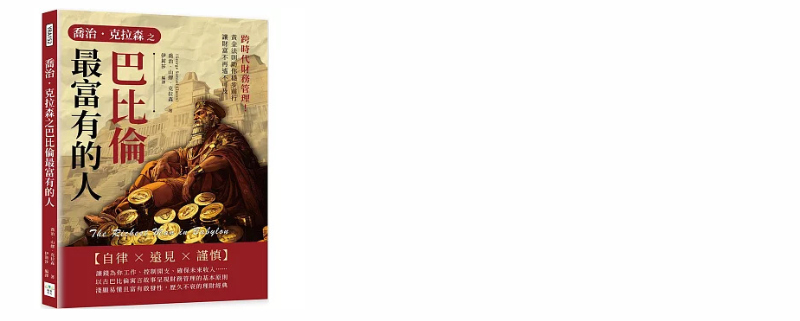
4. "The Richest Man in Babylon": Set aside a portion of your income first.
Product Link: Go Now
This book is old, but its concepts remain relevant today. *The Richest Man in Babylon* uses parables to discuss financial management, with its most important concept being "pay yourself first." This doesn't mean saving what you have after earning money, but rather setting aside a portion of your income for your future self. The book also discusses concepts like living within your means, investing in what you understand, and making your money work for you. It's an excellent introductory book on wealth management habits.
The most worthwhile habits of wealthy people to learn:
It's not about saving only what you have left, but about saving first and then planning your life.
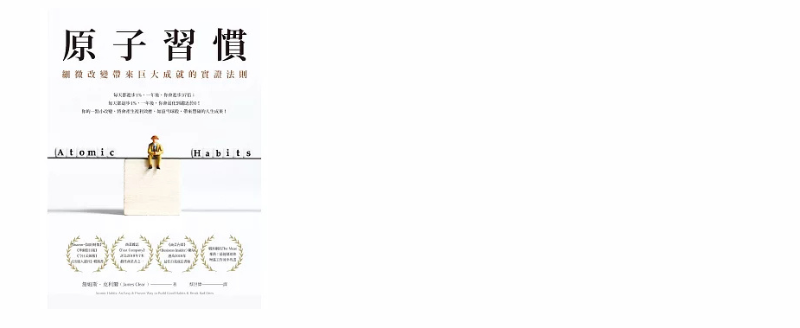
5. *Atomic Habits*: Wealth is not a single big change, but the compound interest of small habits.
Product Link: Go Now
"The Atomic Habits" isn't a finance book, but it's perfectly suited for this reading list. Because the habits of wealthy people often aren't some super-powerful investment technique, but rather the long-term repetition of correct behaviors. These include things like keeping a regular budget, investing regularly, reducing impulsive spending, and increasing earning capacity annually. James Clear discusses how to build good habits, break bad habits, and reduce resistance to action through environmental design. These methods are actually very practical when applied to financial management.
The most worthwhile habits of wealthy people to learn:
Don't rely solely on willpower; instead, design an environment that makes it easier for you to make the right choices.
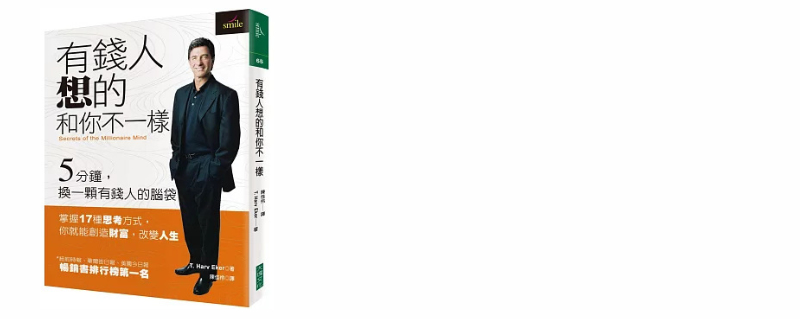
6. "The Rich Think Differently From You": First, examine your own money beliefs.
Product Link: Go Now
This book leans towards mindset and money beliefs, serving as a reminder to readers that many people aren't lazy, but rather have internal conflicts about money. For example, they want to be rich, yet feel that talking about money is vulgar; they want to increase their income, yet dare not value themselves; they want to save money, yet constantly use consumption to soothe stress. "The Rich Think Differently From You" discusses an "inner wealth blueprint," and while some content leans towards self-help, it still has value as a self-assessment tool.
The most worthwhile habits of wealthy people to learn:
You must first change your understanding of money before you can change how you handle it.
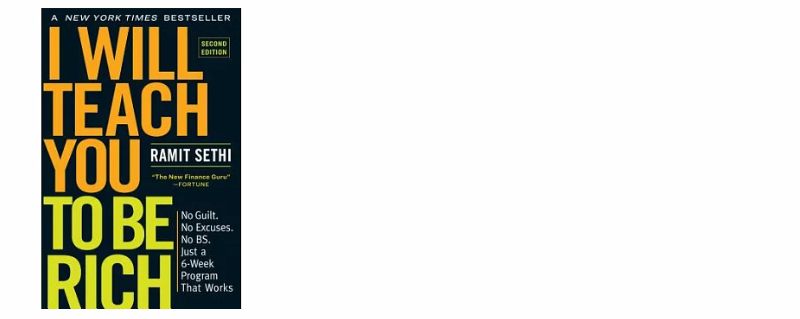
7. *I Will Teach You to Be Rich*: Good financial management isn't about not spending anything.
Product Link: Go Now
This book is perfect for modern working professionals because it doesn't teach you to save every penny to the point of sacrificing your quality of life. Instead, it teaches you to build a sustainable financial system. Ramit Sethi's philosophy is very practical: save where you should, and spend where you should. The focus isn't on guilt, but on spending money on what you truly value, while automating tasks like saving, investing, and paying bills. Official book information indicates that the 2019 revised edition, published by Workman Publishing, focuses on practical personal finance systems.
The most worthwhile habits of wealthy people to learn:
Instead of relying on anxiety to manage your finances, establish an automated financial process.
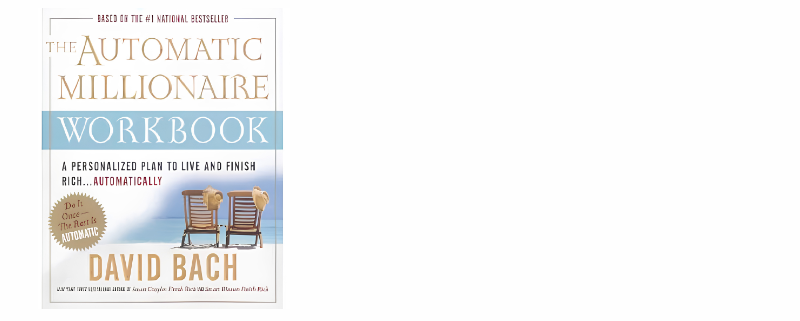
8. *The Automatic Millionaire*: Let the system make you rich.
Product Link: Go Now
The core message of this book is simple: if you rely on willpower to save money every time, the chances of failure are very high. David Bach emphasizes automation, such as automatic savings, automatic investments, and automatic deductions, turning important financial activities from "daily struggles" into "system presets." This concept is very helpful to most people because most people don't lack the desire to save money, but rather are too busy with life and faced with too many temptations, ultimately causing their money to slip away unnoticed.
The most worthwhile habits of wealthy people to learn:
Don't expect yourself to be self-disciplined forever; truly intelligent people will let the system discipline them for them.
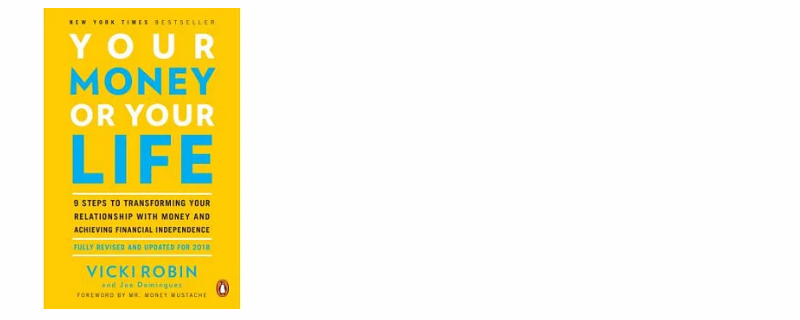
9. *Your Money or Your Life*: A renewed understanding of the relationship between money and life.
Product Link: Go Now
If you want your articles to have more depth, this book is perfect for you. *Your Money or Your Life* doesn't just teach you how to save money, but rather guides you to think: every penny you spend represents an exchange of your life's time. This book discusses reducing debt, building savings, becoming more aware of your spending, and rearranging your relationship with your finances. It's suitable for those with decent incomes who feel their lives are constantly weighed down by money.
The most worthwhile habits of wealthy people to learn:
Before buying something, don't just ask "How much does it cost?", but also "Is it worth how much of my life I'd give up for it?"
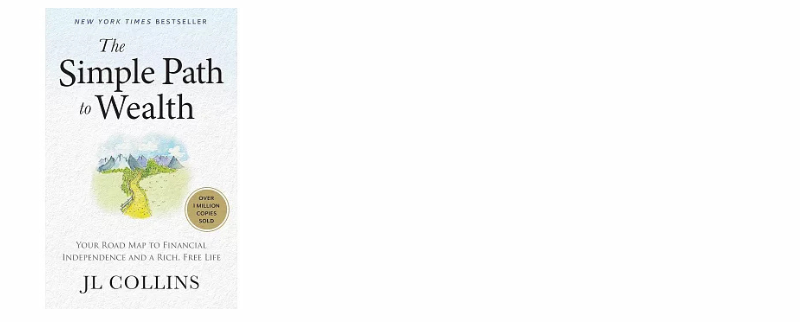
10. *The Simple Path to Wealth*: The simpler the path to wealth, the easier it is to stick to.
Product Link: Go Now
Many people fail in financial management not because they know too little, but because they overcomplicate things. "The Simple Path to Wealth" is suitable to be placed at the end of the reading list because it brings to mind a crucial concept: long-term investing doesn't require chasing news every day or constantly changing strategies. Truly effective methods are often quite simple; the difficulty lies in consistent execution. The new edition's information indicates that this book focuses on financial freedom, personal investing, and retirement planning.
The most worthwhile habits of wealthy people to learn:
Don't turn financial management into a daily pursuit of thrills; instead, establish a simple, long-term, and sustainable strategy.
These 10 books are the most worthwhile to learn about the habits of wealthy people.
| Rich people's habits | Corresponding books | How can it be put into practice? |
|---|---|---|
Wealth is not proven by appearance | The Millionaire Next Door | Reduce conspicuous consumption and keep your money in assets. |
Value behavior over knowledge | The Psychology of Money | Don't blindly chase high prices, and don't sell indiscriminately out of panic. |
Distinguish between assets and liabilities | Rich Dad, Poor Dad | Before buying something, ask yourself: Will it increase my cash flow? |
Save first, then spend | The Richest Man in Babylon | First, save 10% to 20% of your income. |
Small habits accumulate into big results | Atomic Habits | Set up automatic transfers, scheduled readings, and regular financial reviews. |
Correcting Money Beliefs | Rich people think differently than you do. | Observe whether you are averse to talking about money or afraid of charging fees. |
Establish an automated system | "I Will Teach You to Be Rich" | Automatic payment, automatic investment, automatic account splitting |
Saving money without relying on willpower | "The Automatic Millionaire" | Salary is automatically allocated as soon as it is received. |
Measure consumption by lifespan | Your Money or Your Life | Think before you buy something: will it really improve your life? |
Simplify investment strategies | "The Simple Path to Wealth" | Avoid frequent trading and focus on long-term holding. |
(The mobile version of the table can be swiped left and right)

Conclusion: The habit of wealthy people is not about appearing to work hard, but about making the right choices over the long term.
If you want to write a truly valuable "reading list on the habits of the rich", the focus should not be on "what the rich do every day", but rather on helping readers understand that the gap between the rich and ordinary people is often not something that suddenly widens in one day, but rather something that accumulates little by little every day.
They are better at delaying gratification, spend less money on appearances, value assets and cash flow more, and are more willing to let systems replace willpower.
These 10 books may not all be perfect, nor will reading them guarantee you'll become wealthy. However, if you can adopt one habit from each book and truly integrate it into your life, your financial situation will gradually change. Becoming wealthy often isn't about suddenly turning your life around, but about starting to treat every penny differently.
(This article is the property of Dauriac and may not be reproduced with images or text.)
You may be interested

Recommended topics
Top Charts
All articles
article keywords
Subscribe to newsletter
article outline